Still Watching TV the Traditional Way?
With a smartphone and an internet connection, viewers can access content almost anywhere. Stream India is one example of an APK-based option that users may explore for mobile viewing. But how does this approach differ from traditional television? Understanding the differences can help you choose a viewing setup that matches your habits, internet connection, and content needs
Mobile Streaming vs Traditional Television
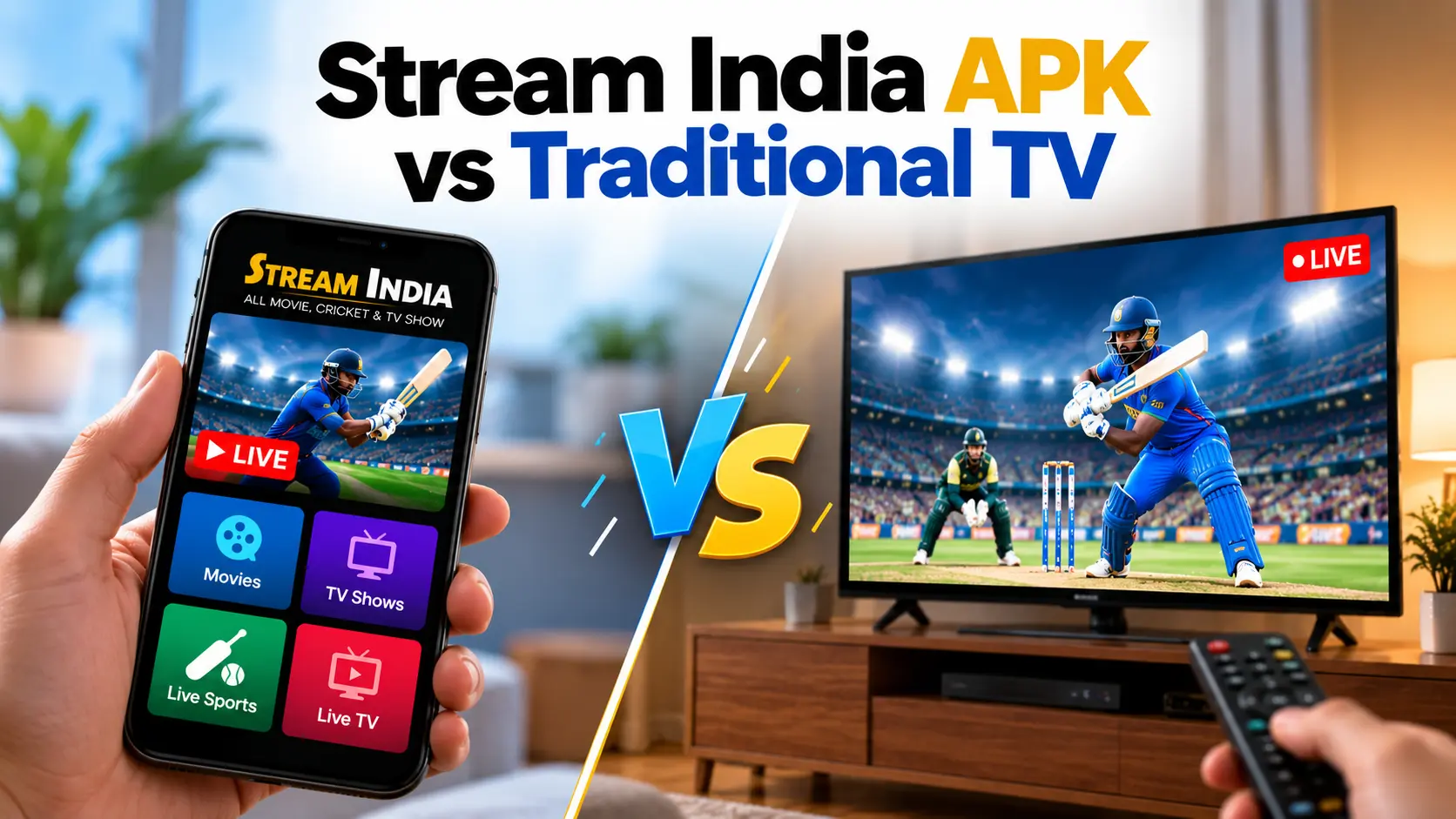
Traditional TV usually depends on a television set, cable, satellite service, or another broadcast setup. By contrast, mobile streaming uses the internet to deliver video directly to a phone or tablet. This gives mobile viewing more flexibility because you are not tied to one room. With Stream India Apk, the viewing experience can depend on the specific APK version, available content, device, and internet connection. Traditional TV often provides a more predictable channel lineup, while online services can change their available streams over time. However, both options have advantages. Traditional television can offer stable viewing without using mobile data, whereas mobile streaming can be more convenient when you are traveling or away from home.
Flexibility and Convenience on Mobile
One of the biggest differences is convenience. A television normally stays in one location, but a smartphone can travel with you. Therefore, mobile streaming can fit more easily into busy routines. Stream India live tv may appeal to users who prefer watching content on an Android phone instead of sitting in front of a television. You can potentially watch while traveling, waiting, or relaxing in another part of the house, provided you have a suitable connection. Moreover, mobile viewing gives you more control over when and where you watch. You do not need to arrange your schedule around a television. Nevertheless, a small screen may not provide the same comfortable experience as a large TV, especially during long viewing sessions.
Internet Connection Makes a Difference
Traditional television and mobile streaming handle technical problems differently. A cable or satellite connection may continue working even when your home internet becomes slow. On the other hand, Download Stream India App and similar online apps rely on internet performance for video playback. A weak connection can cause buffering, lower video quality, or interruptions. Fortunately, simple steps can improve the experience:
- Use reliable Wi-Fi whenever possible.
- Reduce background data usage.
- Close unnecessary apps.
- Move closer to the router.
- Lower video quality when the connection is unstable.
Additionally, network speed is not the only factor. Device performance, server availability, and stream quality can also affect playback. So, changing the network alone may not solve every problem.
Content, Channels, and Viewing Choices
Traditional TV usually organizes channels into a fixed lineup. You know where to find familiar stations, and your provider determines which channels are included. Mobile streaming works differently because content can depend on the application and its available sources. stream india app apk 2026 may offer different categories depending on the version or service source. These can include live television, sports, entertainment, or other online content. However, users should not assume that every version provides the same channels. This is especially important for live sports and premium programs. Availability can change because streaming rights and regional access differ. Therefore, check the source and content authorization before relying on an online stream for a specific event.
Cost, Access, and Legal Considerations
The cost difference between traditional television and mobile streaming is not always straightforward. Traditional TV may involve equipment, subscriptions, installation, or recurring service charges. Meanwhile, an APK itself may be available without a direct purchase, but that does not automatically mean all content accessed through it is free or authorized. With Stream India mod apk, pricing and access can vary by version, provider, region, and content source. Users should therefore avoid assuming that a particular APK includes every channel without additional conditions. Legal access also matters. Television channels, movies, and sports events can have licensing agreements that differ by country. As a result, users should verify whether the content is officially available in their region. For premium programming, licensed broadcasters and official streaming platforms provide clearer information about authorized access.
Which Viewing Style Fits Your Routine?
The better option depends on how and where you normally watch. Traditional TV can suit households that want a large screen, familiar channels, and a dedicated viewing setup. Mobile streaming can suit people who value portability and want entertainment on their phones.
Stream India App for Android can be considered as part of that mobile-first approach, but users should first check compatibility, content availability, safety, and regional access. Also, think about your internet usage. Frequent streaming can consume significant data, particularly at higher video quality. For a practical setup, you can use television for longer viewing sessions and mobile streaming when flexibility matters. This approach lets you choose the format based on the situation instead of relying on one method for everything.
Conclusion
The main difference between mobile streaming and traditional TV is flexibility. Traditional television offers a familiar and often predictable setup, while mobile services provide greater portability and internet-based access. stream india tv apk represents one type of APK-based mobile viewing option, but its features and content can vary by version and source. Before using it, consider your connection, device, content needs, security, and local licensing rules. By understanding these differences, you can choose a viewing method that fits your routine without making assumptions about availability or access.